Fire Ants in Your Lawn? 5 Safe & Effective Lawn Treatment Tips for Louisiana Yards
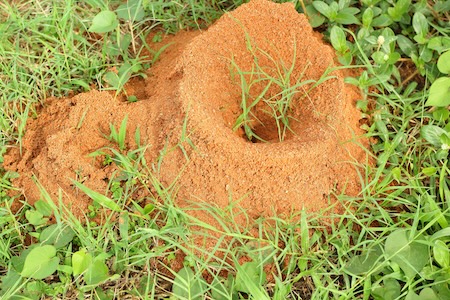
Fire ants thrive in Louisiana’s warm, rainy climate, and their painful stings can make family time outside stressful. Here are five safe, pro-first tips to guide your decisions on fire ant lawn treatment in Louisiana so your grass looks great and your yard feels safe. If you want a trusted local team, explore our lawn care services to see how 2 Live Krew Lawn Care LLC protects lawns across the region.
Why Fire Ants Love Louisiana Yards
Louisiana’s long growing season, humid air, and frequent thunderstorms create ideal conditions for red imported fire ants. After soaking rains, you may spot fresh mounds in sunny, open turf where the soil drains well. These colonies expand quickly and can relocate after flooding, which is why activity often spikes in late spring and fall. The risk is more than cosmetic. Stings can trigger allergic reactions, and tunneling around roots stresses grass, especially St. Augustine and centipede lawns common across the state.
Tip 1: Choose Professional, Targeted Fire Ant Lawn Treatment
Effective control is not a one-and-done spray. Pros typically use a targeted strategy that focuses on the whole colony and the queen, then follows with spot work where needed. Modern solutions include baits designed to spread within the colony, along with professional formulations that are calibrated to protect turf. A seasoned technician knows when colonies are actively foraging, how moisture affects product choice, and how to apply treatments so they work with your mowing and fertilization schedule.
If you are comparing providers, look for teams that tailor plans by grass type and soil, explain what they will apply and why, and schedule follow-ups. For a quick overview of service options beyond ant control, visit our lawn care page. To understand the bigger picture of fire ant lawn treatment in Louisiana, it helps to see how professional lawn care, pest pressure, and weather patterns fit together.
Tip 2: Time Treatments With Louisiana Weather
Seasonal timing matters. In Louisiana, fire ants are most active when soil is warm but not scorching, which makes late spring and early fall strong windows for broadcast-style work. After tropical rains or a warm spell in winter, colonies can surge to the surface and build fresh mounds. That is a smart time for an inspection visit. Coordinating treatment with your mowing calendar and irrigation prevents product wash-off and helps baits stay attractive. A local pro will also watch overnight lows and storm chances before scheduling service so your yard gets the best result.
Tip 3: Protect Kids, Pets, And Pollinators
Safety is always first. Pros select products and application methods that match your lawn use. They also mark treated areas and share re-entry guidance. Keep a few rules in mind as you plan:
- Keep kids and pets off the lawn until the area is completely dry and your technician confirms it is safe to re-enter.
- Ask your provider how they reduce drift and protect flowering areas that attract bees.
- Never pour gasoline, bleach, or boiling water on mounds. These methods are unsafe, harm your soil, and rarely solve the problem.
- If anyone in your home has sting allergies, let your technician know so they can prioritize monitoring and perimeter protection.
Great communication prevents surprises and keeps your family comfortable through the treatment cycle. A good company will leave simple, written aftercare steps you can follow without guesswork.
Tip 4: Pair Fire Ant Control With Broader Lawn Care
Healthy grass recovers faster from any pest stress. Strong root systems, balanced nutrients, and consistent mowing help turf close thin spots where ants like to push soil. Consider aligning ant control with your lawn fertilization schedule so the lawn rebounds quickly. Thick, even turf shades the soil, reduces bare patches, and makes new mounds easier to spot during routine walkthroughs. This teamwork between pest control and maintenance keeps Louisiana lawns greener and more resilient through heat, storms, and sudden growth spurts.
Tip 5: Ask For Ongoing Monitoring And Re-Treats
Fire ants are persistent. Colonies can move in from neighboring lots, and winged flights can repopulate an area after storms. That is why the best plans include periodic inspections and scheduled re-treats. Your provider should:
- Walk the property to check hot spots like play areas, mailboxes, fence lines, and sunny slopes.
- Flag and address new mounds before they spread to high-traffic spaces.
- Document where, when, and how treatments were applied so decisions stay consistent over time.
- Adjust timing if weather shifts. Louisiana’s quick changes from dry to drenched can require a different approach.
How To Spot A Fire Ant Problem Early
Early detection keeps your lawn safer and shortens recovery time. Call a pro if you notice:
- Fresh mounds that appear overnight, especially after rain or irrigation.
- Ant trails foraging in warm daylight across open turf.
- Soil pushed up around sidewalks, curbs, garden beds, and AC pads.
- Stings or raised blisters after yardwork or play.
- Patchy grass near mounds from tunneling and root stress.
Do not disturb mounds to “test” them. Leave that inspection to trained technicians who can identify the colony stage and pick the right solution without spreading the problem.
What To Expect From A Professional Visit
Good providers keep things clear and simple. A typical service visit in Louisiana includes a short interview about recent yard activity, a property walk to locate colonies, and a tailored application plan. You will also get advice on mowing and watering that helps products perform well in our climate. If you are beefing up turf density this season, this article on overseeding for a healthier fall lawn explains why thicker grass stands up better to many lawn pests over time.
You should leave with a written summary of where treatments were placed, any temporary use guidelines, and a simple monitoring plan. Most teams schedule a check-in to confirm control and decide if a follow-up is needed after major rain. Pair those steps with consistent maintenance from a reliable crew and you will notice fewer mounds, fewer stings, and a steadier, greener lawn as temperatures climb.
Ready To Reclaim Your Yard?
Your lawn should feel open, safe, and ready for weekend fun. Partner with 2 Live Krew Lawn Care LLC for proactive service, clear communication, and results you can see. Call us at 337-446-6807 to schedule a visit or book online. If you are ready to get started, explore our lawn care services and set up a plan that keeps fire ants out and your grass looking its best all year.